Conservation Corner
Living Fossils: An Introduction to the Seven Species of Sea Turtles
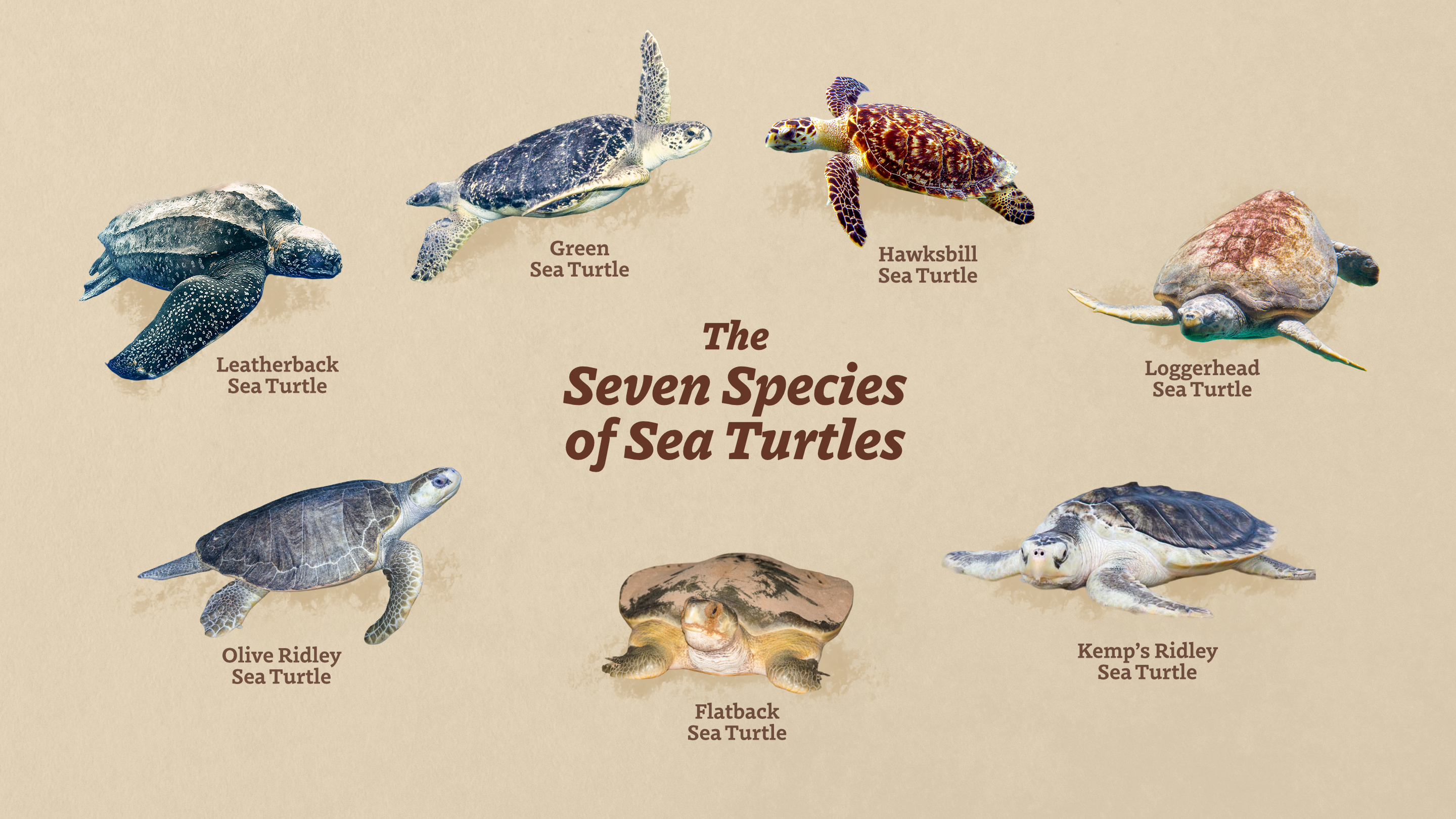
There are seven species of turtle found around the world. Six of them (green, hawksbill, leatherback, loggerhead, Kemp’s ridley, and olive ridley sea turtles) have global distribution, while the seventh species, flatback sea turtles, are only found in Australia.
Six of the world’s sea turtles resemble what most would envision: a hard oval shell segmented into panels (scutes), a beak-like mouth, two large, wing-like flippers in the front, and two smaller hind flippers. But, one species breaks the mold—the leatherback sea turtle is the largest and lacks the typical shell. Instead, as its name suggests, its back is made of tough, leathery skin.
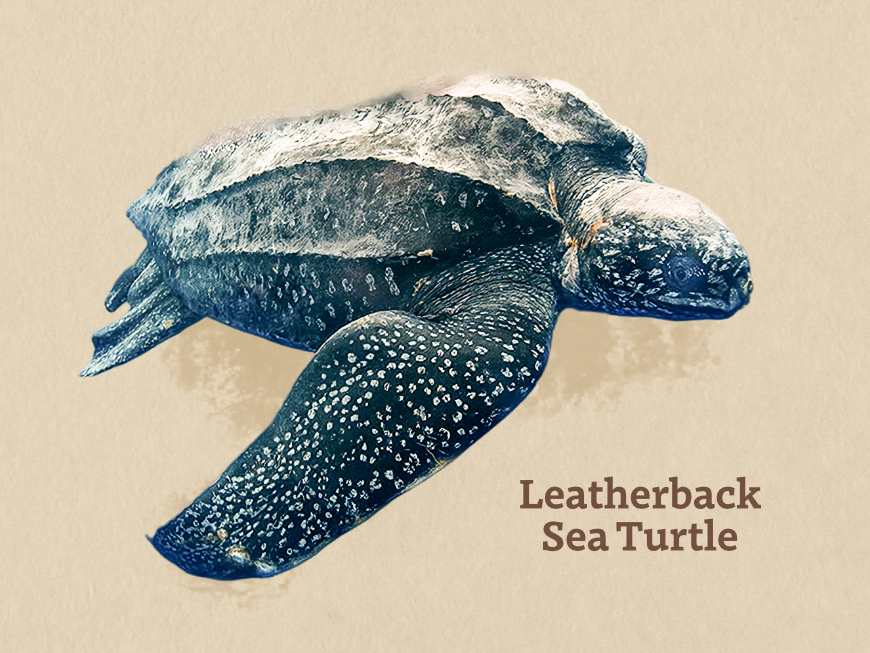
Leatherback sea turtles have existed in this form since the time when dinosaurs roamed the planet. For this reason, they and other sea turtle species have been nicknamed ‘living fossils.’ Despite surviving millions of years, all sea turtle species are currently vulnerable or endangered. This means that the future of their populations is in jeopardy.
Population declines for all seven sea turtle species are driven by a number of factors, all tied to humans. Some of the biggest sources for this decline include:
- Illegal harvest: The number of sea turtles harvested for food is restricted to ensure the longevity of the population, but poaching persists in certain areas, either for food or to collect the shells, which are a valuable material.
- Bycatch: Sea turtles are caught by accident with fishing gear, particularly gear that is left unattended for long periods of time. Turtles breathe air so when they’re trapped underwater, they drown. Innovations in fishing gear and methods have reduced this threat over time, but there is still room for improvement.
- Habitat loss: Sea turtle nesting beaches are frequently consumed by coastal development. This reduces or eliminates nesting area for females and can confuse emerging hatchlings, leading to increased mortality rates.
- Climate change: Warming air and water temperatures are impacting sea turtles in many ways. This includes their ocean habitat and the prey available to them.
Sea turtles spend nearly all their time in the ocean, but all sea turtles come to beaches to lay their eggs. The egg stage is a point in their life where they are particularly vulnerable. Eggs spend 45-70 days buried in the sand. During this time, they face many threats. Animals or people may dig up the nests and eat the eggs. Sea water may submerge the nest during an extreme tide or storm and drown the eggs.
Climate change is shifting what is happening to the eggs as well. The temperature of the sand influences which sex the eggs develop into. Warmer sand temperatures, as increasingly is seen with our warming planet, yield more female turtles, whereas cooler sand temperatures make more male turtles. Science is showing that emerging babies at many beaches are increasingly dominated by females. This hurts the population in the long run by reducing genetic diversity over time.
There is a plethora of conservation actions underway to support rebuilding sea turtle populations. The Aquarium of the Pacific plays its part in these. Locally, we are monitoring the sea turtle population in the San Gabriel River and responding to stranding events such as a turtle entangled in fishing line or struck by a boat. On a broader scale, the Aquarium is a member of the Association of Zoos and Aquariums’ Saving Animals from Extinction (SAFE) sea turtle program. Through this program, the Aquarium coordinates with other institutions on conservation strategies to protect sea turtle populations and communication strategies to share the work with our guests.
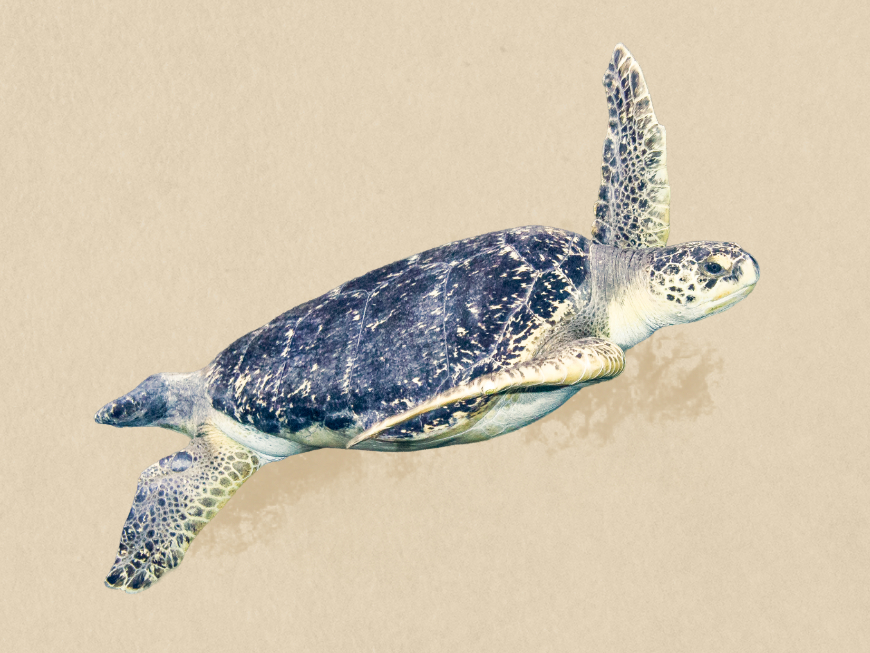
Green Sea Turtle
IUCN Status
Endangered
Major nesting locations
80 different countries around the world
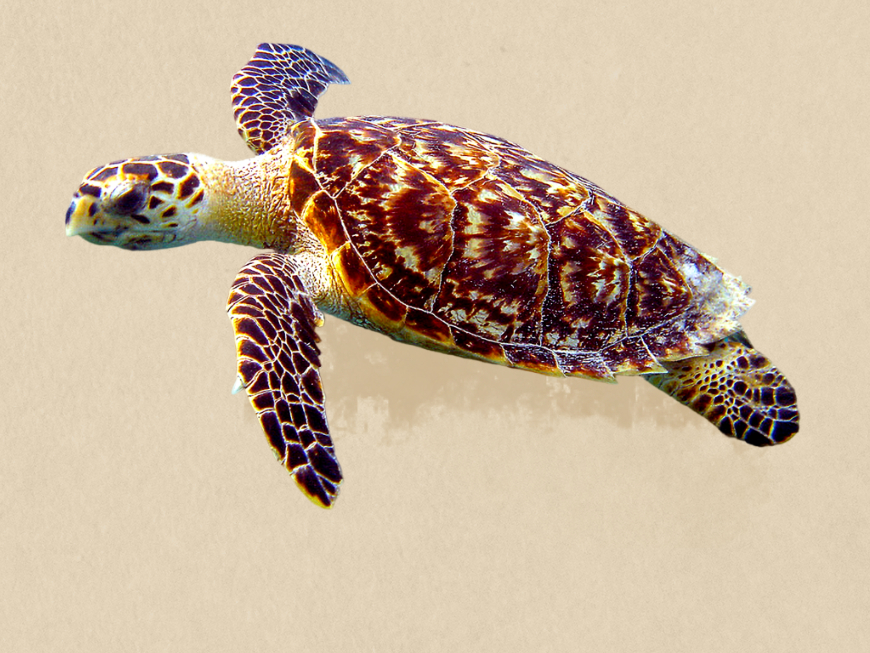
Hawksbill Sea Turtle
IUCN Status
Critically Endangered
Major nesting locations
Australia, Mexico, Cuba, Indonesia, the Seychelles, and Puerto Rico
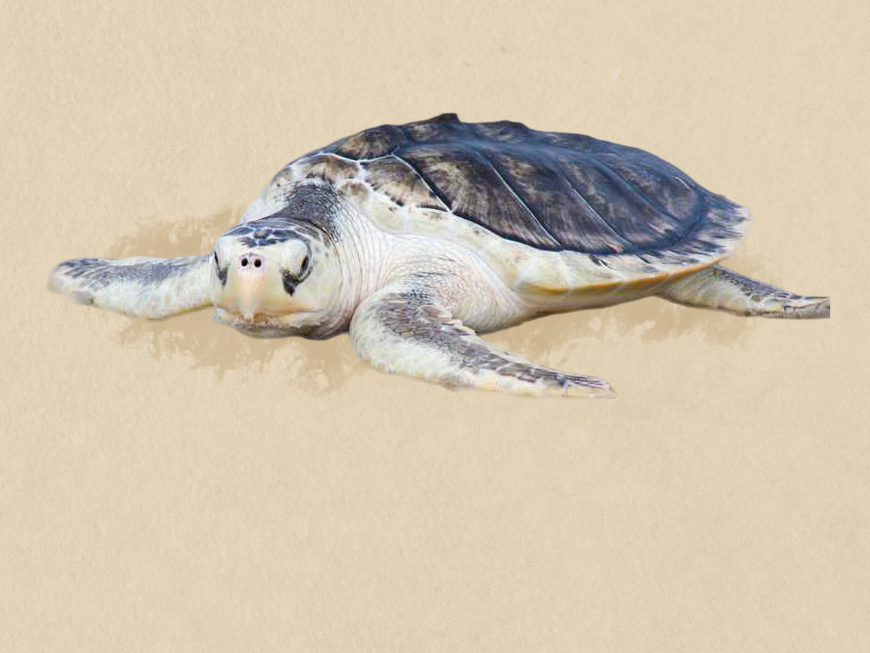
Kemp’s Ridley Sea Turtle
IUCN Status
Critically Endangered
Major nesting locations
Western Gulf of Mexico
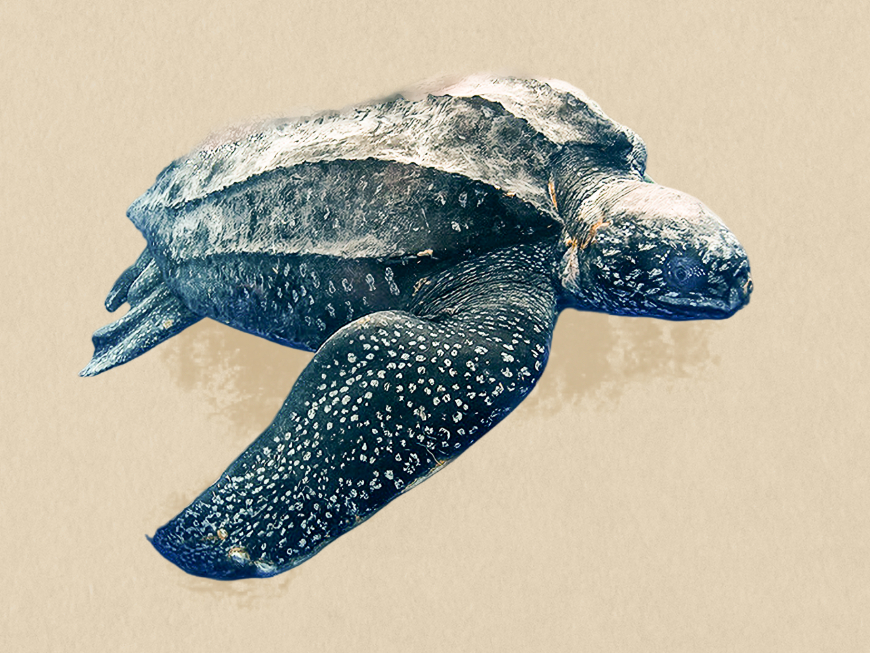
Leatherback Sea Turtle
IUCN Status
Vulnerable with some subpopulations critically endangered
Major nesting locations
Caribbean, French Guiana, Gabon, and the Pacific coasts of Mexico and Costa Rica
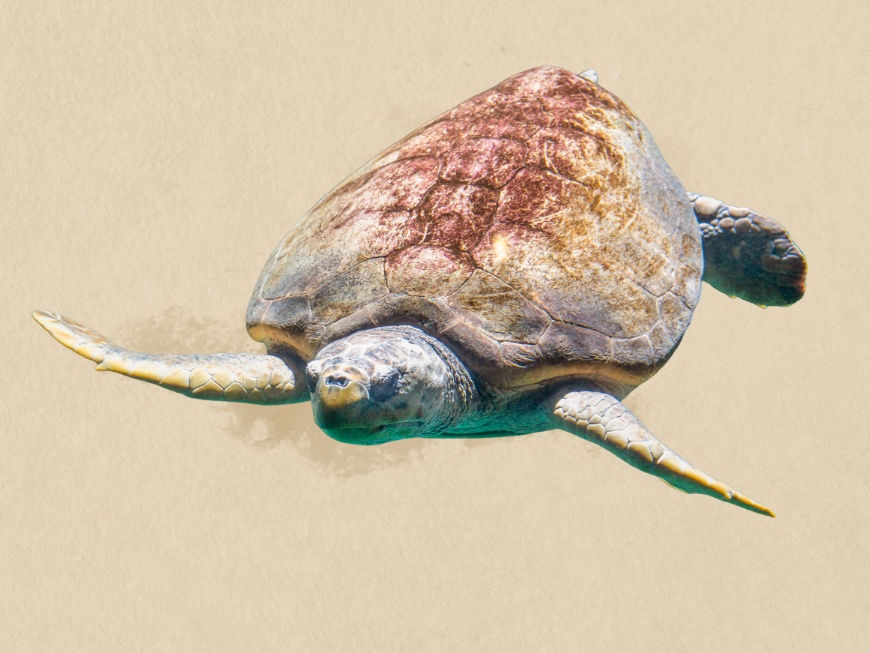
Loggerhead Sea Turtle
IUCN Status
Vulnerable with some subpopulations critically endangered
Major nesting locations
Southeastern United States, Mediterranean Sea, Oman, Australia
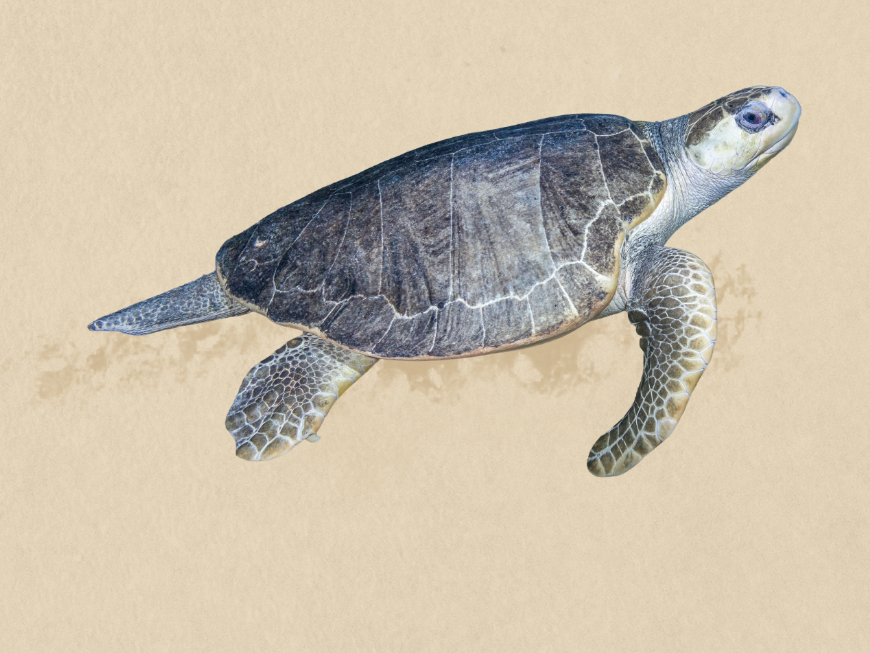
Olive Ridley Sea Turtle
IUCN Status
Vulnerable
Major nesting locations
Eastern Pacific, Indian, and South Atlantic Oceans
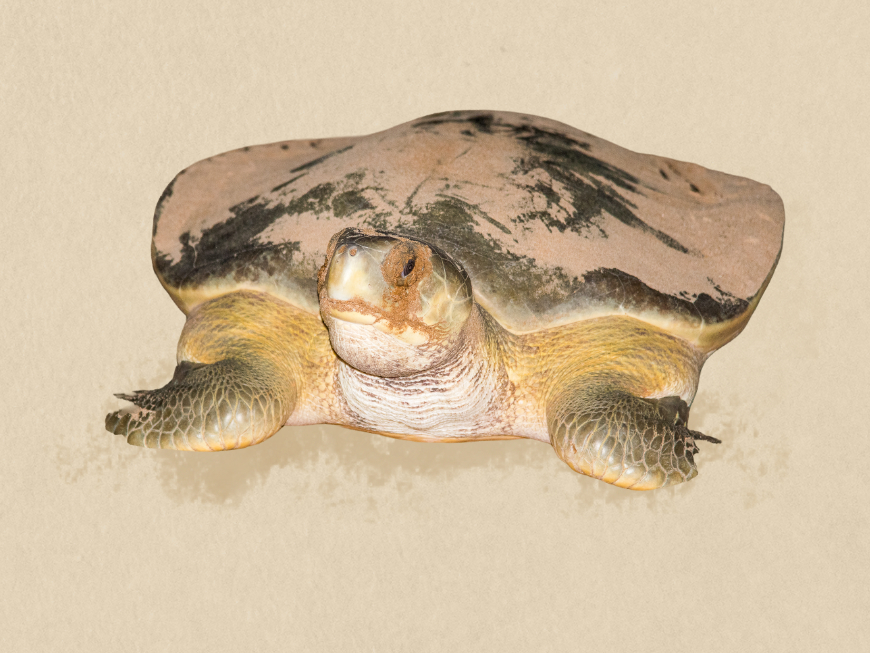
Flatback Sea Turtle
IUCN Status
Listed as vulnerable by Australian government
Major nesting locations
Northern Australia

Jennie Dean
Jennie Dean is the Aquarium’s inaugural vice president of education and conservation. She focuses on the amplification and enhancement of the Aquarium’s work in species conservation and learning for all audiences. Previously Dean was a program director at the University of California, Los Angeles’ Institute of the Environment and Sustainability, where she oversaw programs engaging the private sector on corporate sustainability and consulted with island governments on sustainable development of their blue economy.