Bringing the Community Together to Save Species
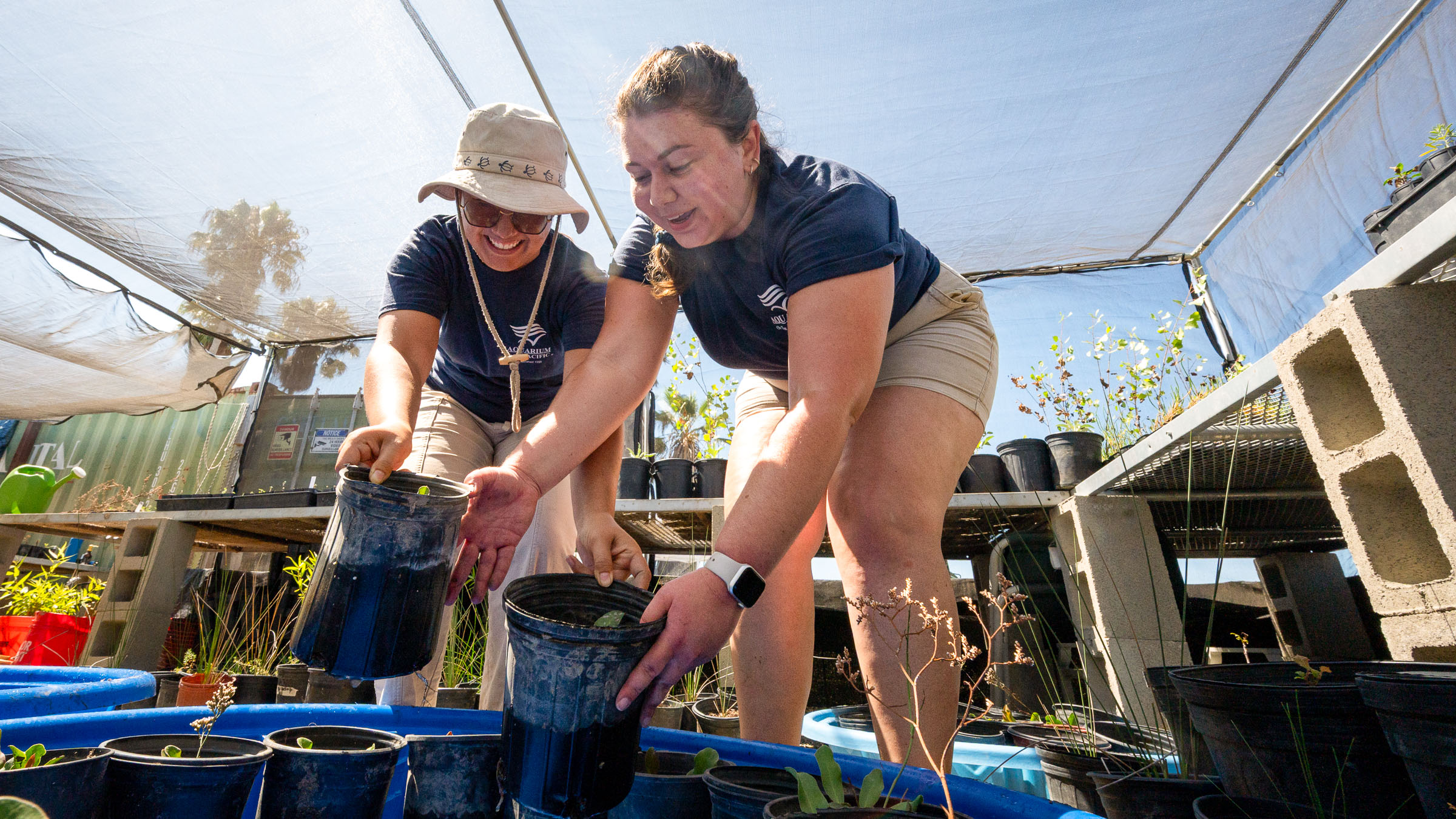
Community science at the Aquarium of the Pacific brings together people from all walks of life to advance research and monitor and protect local wildlife and their habitats.
There are numerous programs the public and volunteers can participate in that make a real difference for local wildlife and vulnerable species, with some requiring little to no training. Community science and conservation volunteer programs include monitoring sea turtles, monarch butterflies, and giant sea bass; wildlife habitat restorations and cleanups; and other programs that allow participants to directly improve habitats.
Each program encourages people to observe what is happening in their own communities while contributing to a larger body of knowledge that is used by scientists to better understand and protect species.
Los Cerritos Wetlands Restoration
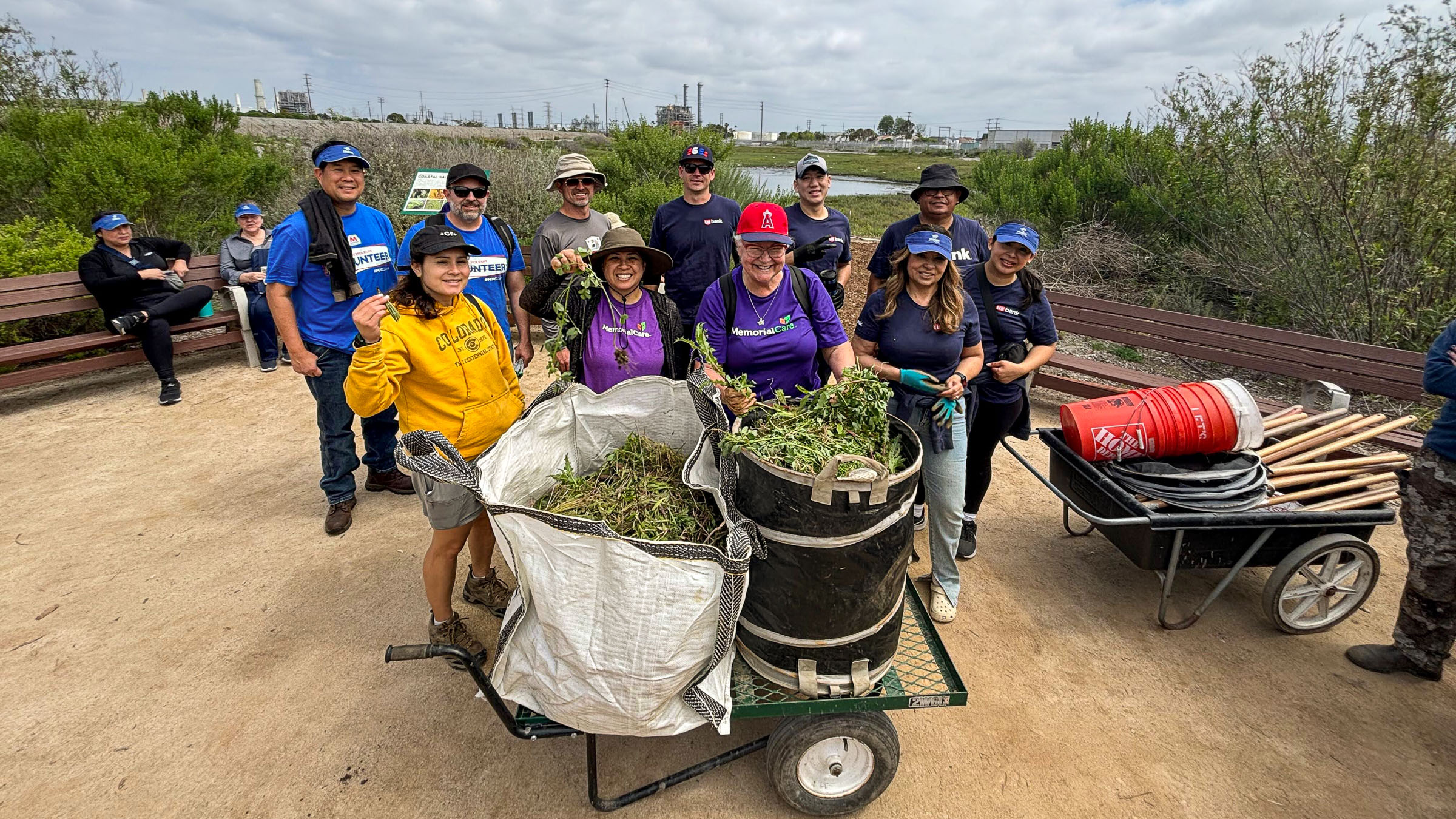
For more than ten years, the Aquarium has helped to restore local wetlands in partnership with the Los Cerritos Wetlands Authority and Tidal Influence. On the first Saturday of every month, the public can volunteer to get their green thumb on and remove invasive species, plant native plants, and collect seeds to propagate even more plants.
Volunteers are not only restoring this vital ecosystem to make it a livable space for species. The restoration is also making the area an accessible green space for people to connect with nature.
Due to community efforts, ten acres of the wetlands surrounding Zedler Marsh have been restored. A groundbreaking event occurred in late 2025 to begin restoration for the next 100 acres.
“Being able to move into that new space is going to be really exciting,” said Dawn Nygren-Burkert, conservation volunteer coordinator at the Aquarium. “It’s also such an important habitat for not only the green sea turtle, but also endangered birds that nest there and use the wetlands as habitats.”
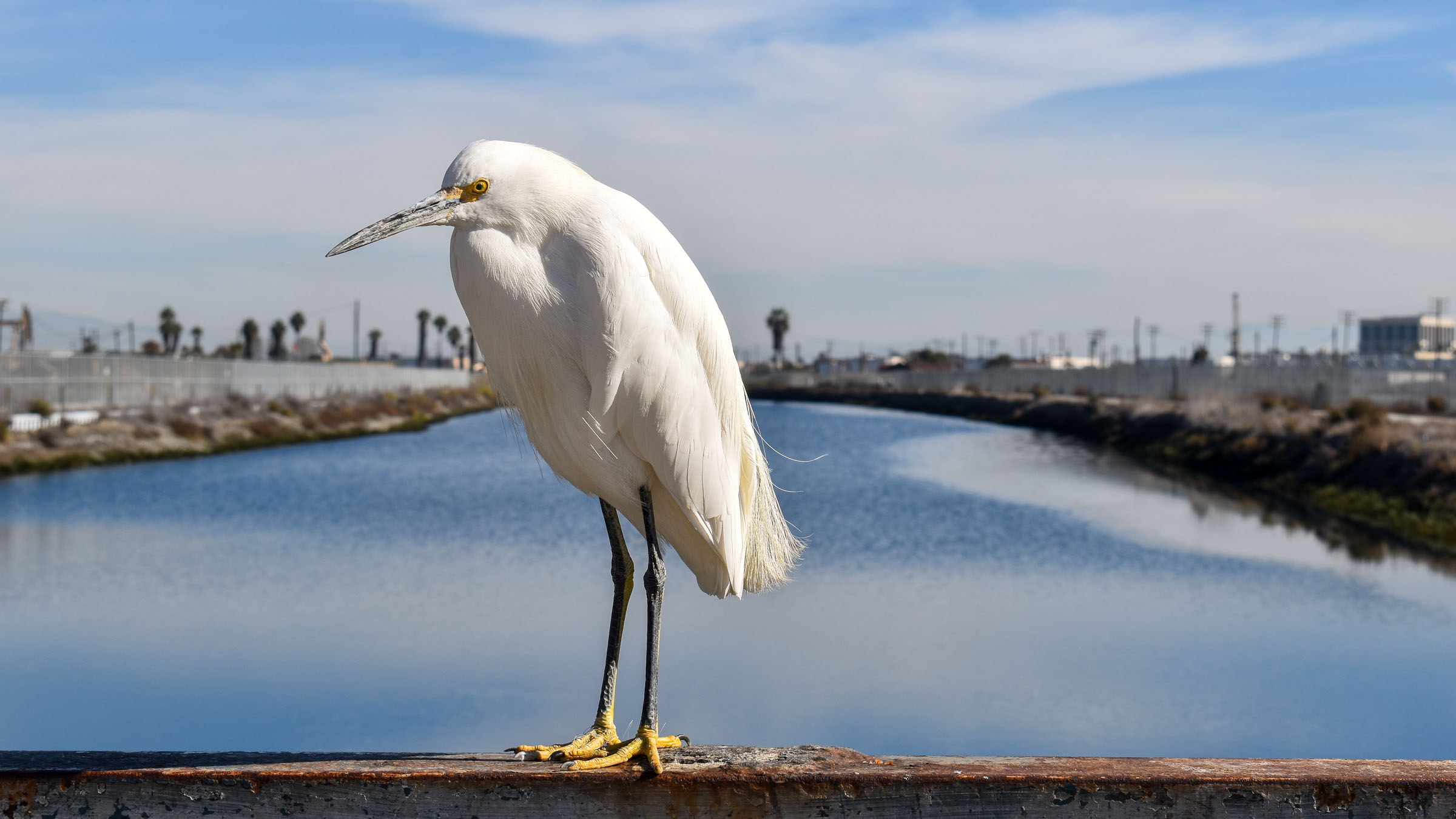
Green sea turtles depend on the nutrients and warm water near the outflow of the Los Cerritos Wetlands. The California least tern and the Belding’s savannah sparrow are a couple of the endangered bird species that benefit from the habitat restoration at the wetlands.
Families with participants as young as five years old have contributed time to learning about and actively restoring the wetlands. Naturalists go over the history of the wetlands at the start of the day, and then volunteers can play trivia to win prizes, including tickets to the Aquarium.
The City Nature Challenge and Snapshot Cal Coast
The Aquarium also participates in programs that monitor wildlife in larger geographic ranges. This includes encouraging the public to send in photos of wildlife they see through a community science app called, iNaturalist, available on iOS and Android.
The Aquarium participates in the City Nature Challenge and Snapshot Cal Coast “bioblitz” events, which are intensive surveys of wildlife done in a short amount of time in attempt to record as many living species as possible.
Taking place around Earth Day every year, the City Nature Challenge began as a friendly competition about ten years ago between Los Angeles and San Francisco. The goal was to see which city could document the most wildlife over the course of four days.
Now, it has become an international event with nearly 100,000 participants. Every participant contributes valuable data on the local biodiversity, movement, and migration of animals, and more.
Snapshot Cal Coast is a statewide program that focuses on biodiversity up and down the coast, concentrating on intertidal zones in Marine Protected Areas. The Aquarium, in partnership with USC Sea Grant, has been observing marine life—like sea stars and kelp—at Pelican Cove in Rancho Palos Verdes every summer since 2016.
The iNaturalist app also allows users to identify photos of species uploaded by other people. The community collaborates and works together to ensure species are identified correctly.
Nygren-Burkert, a certified California naturalist, helps to identify tidepool species and certain native plants. “Some of our community members are really great with birds and insects; there’s another that’s really great at identifying fish,” she said.
The Marine Debris Detectives
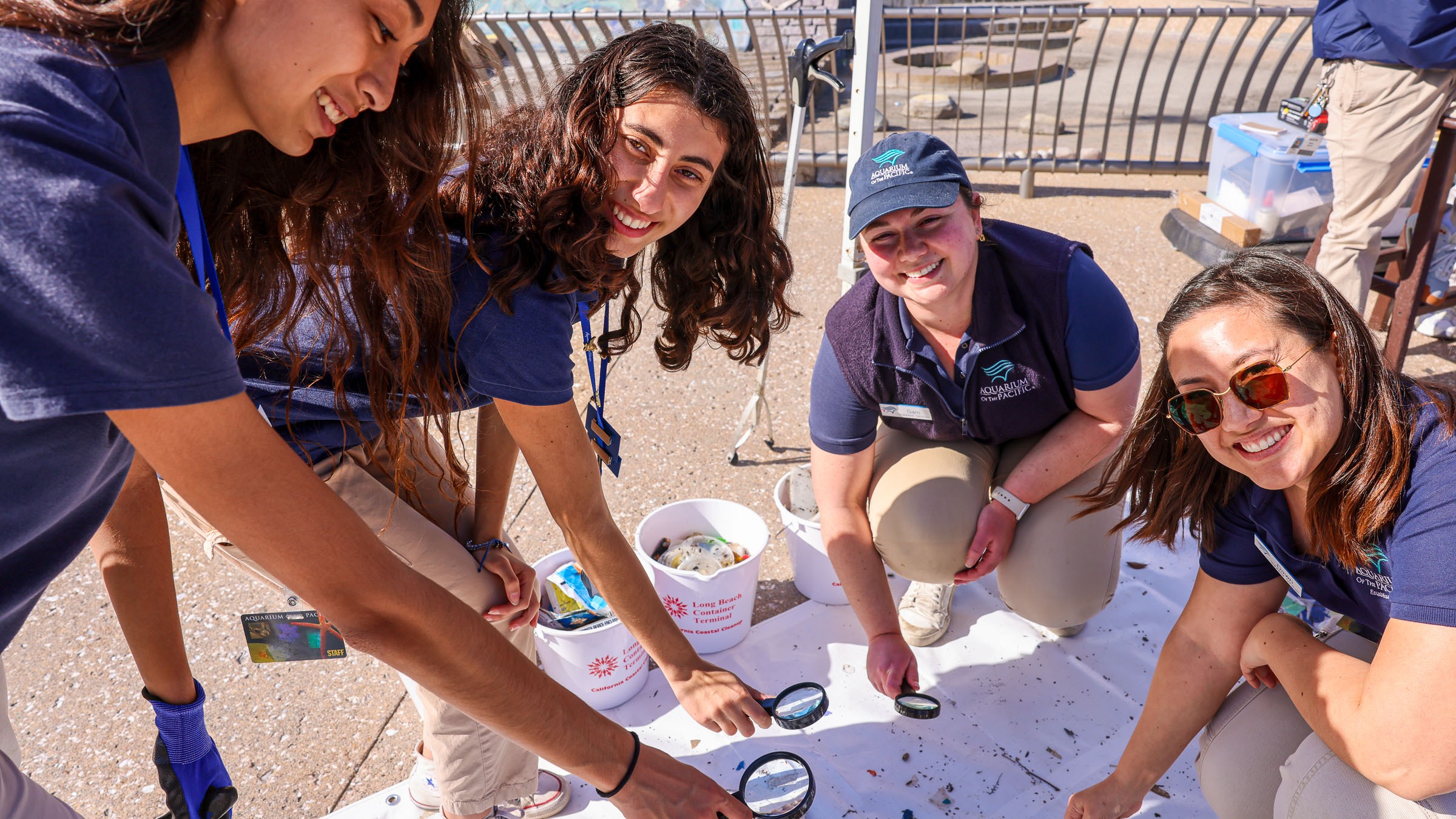
One of our newest community science programs, Marine Debris Detectives, was developed by three of the Aquarium’s youth volunteers in collaboration with the City of Long Beach’s trash-collecting Jellyfishbot program.
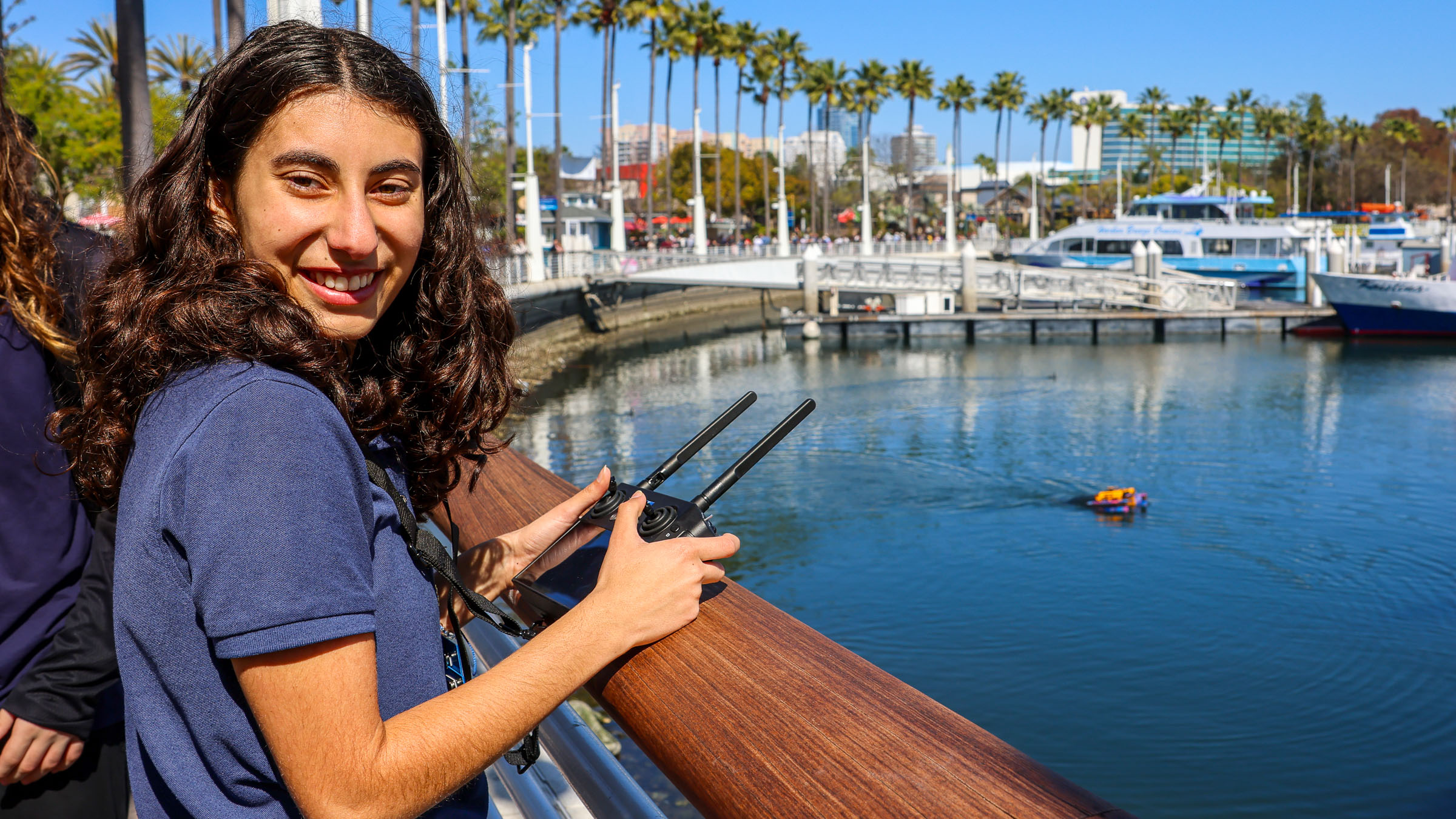
The youth volunteers accompany the Jellyfishbot operators as they collect trash from Rainbow Harbor, right outside the Aquarium. The Jellyfishbot draws attention from the public each time it’s in use. People of all ages come up to ask the youth volunteers questions.
The volunteers expand the perspectives of onlookers by documenting the trash retrieved from the harbor and investigating how trash from the Los Angeles and San Gabriel River watersheds ends up in our ocean here in Long Beach. California sea lions, round rays, and other small fish species have been observed in Rainbow Harbor. Sea birds like terns, herons, and cormorants also frequent the area.
“People will line up along the edge of the harbor to watch us work with the bot, to cheer us on, and point out different pieces of trash to grab,” said Samantha Paciotta, youth volunteer coordinator at the Aquarium.
Due to its small size, the remote controlled Jellyfishbot can get into all the nooks and crannies to collect debris from the marina into its built-in net. It can also remove up to one hundred and sixty pounds of trash from the water’s surface in one mission.
The public can also use the Marine Debris Tracker app on iOS and Android to contribute data on plastic pollution in Rainbow Harbor and elsewhere in our local community. The app works with NOAA’s marine debris program and allows people to categorize the kind of trash they pick up in their neighborhoods, during beach cleanups, and more.
Monarch Butterfly Monitoring
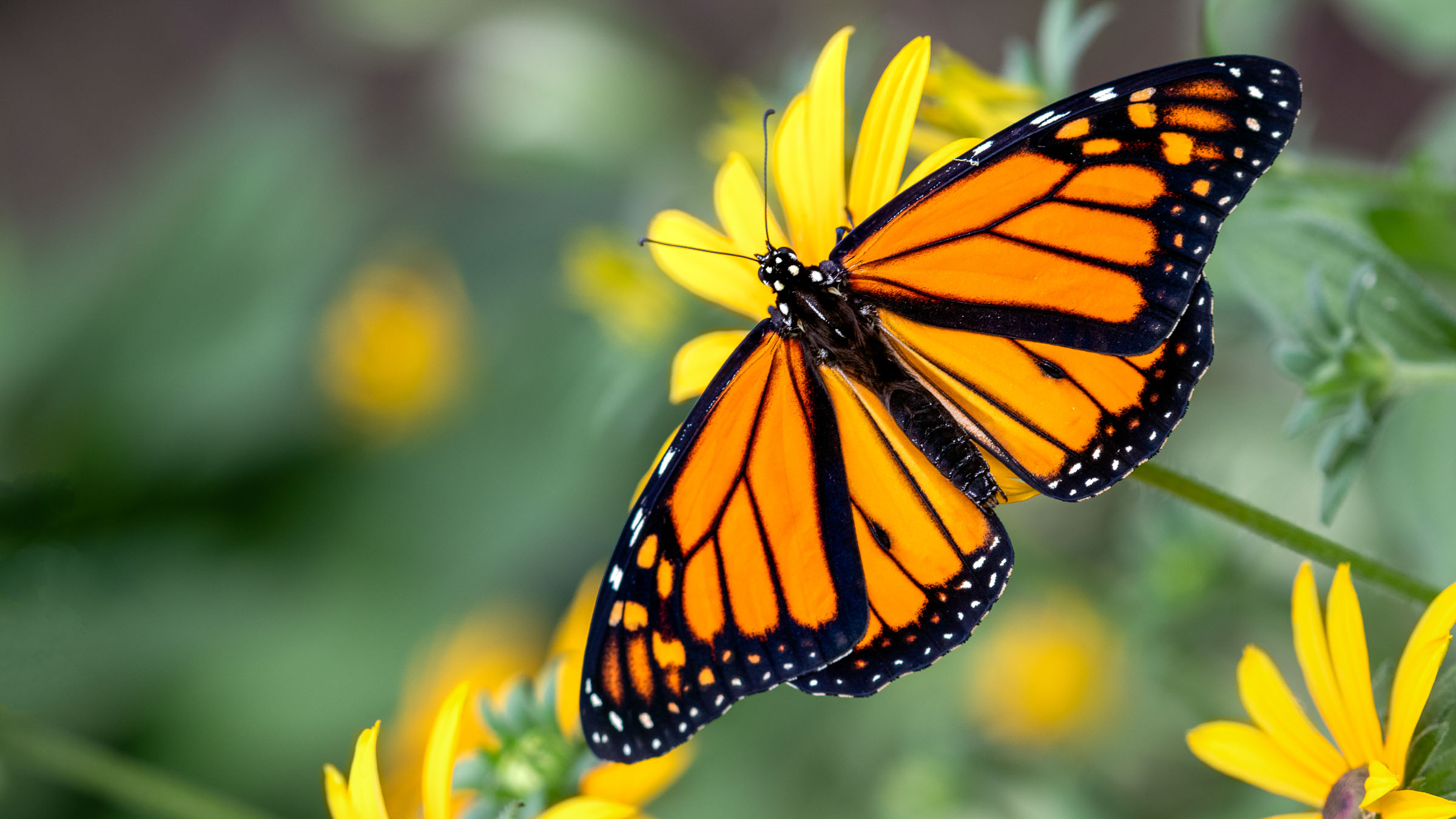
For over ten years now, the Aquarium has been supporting the conservation of monarch butterflies with the help of volunteers. In December 2020, the group began to meet virtually every other Friday to discuss all things monarch butterfly: their biology, habitat, and more.
The monarch butterfly was classified as endangered by the IUCN in 2022. This reclassification was in response to rapidly declining winter migration counts caused by climate change, loss and degradation of breeding grounds, exposure to insecticides, and more.
Once the dust from the pandemic had settled, the group began to convene for in-person meetings, working on horticulture work on the Aquarium’s own pollinator gardens and going out into the community to advocate for monarch habitats and milkweed gardens.
These Aquarium volunteers also support monarch populations by planting and tending to pesticide-free native milkweed gardens, where monarch butterflies lay their eggs. The Aquarium helped plant a milkweed garden with Friends of Peck Park and the California Native Plant Society in San Pedro.
“It’s really exciting that we’re getting out into the communities more and more, helping create these habitat highways for monarchs as they continue on their migration journey,” said Nygren-Burkert.
Spotting Giant Sea Bass
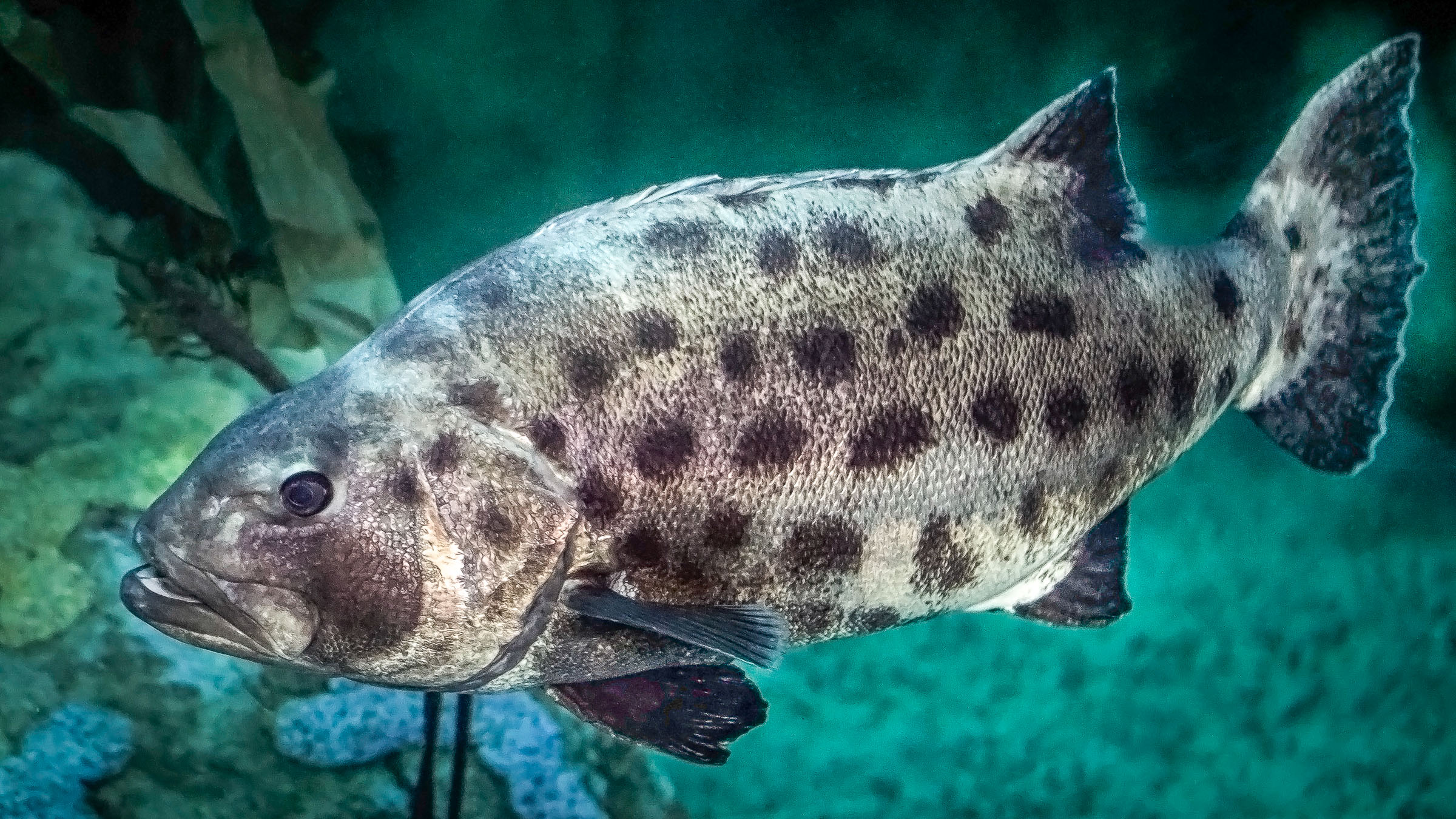
Two University of Southern California, Santa Barbara undergraduate students discovered that every giant sea bass has its own unique spot pattern. They came up with the idea of developing a website that matches photos of individual giant sea bass to make it easier to track them in the wild.
The Aquarium of the Pacific began working with the Benioff Ocean Initiative, researchers at the University of California, Santa Barbara on this community science project.
The public can upload a photo of a giant sea bass in the wild along with details like when and where the fish was spotted. Researchers then verify the information submitted is sound, and then a type of facial recognition software matches the side of the giant sea bass with other photos in the database until a match is confirmed. The public can also receive notifications when it is spotted by someone else in the wild.
The data collected from this project help marine biologists track this species’ population and how far they move, determine if they are in marine protected areas, identify where they spawn and the threats they encounter during their travels.
Other Community Science Programs
The Aquarium continues to manage additional community science programs, including the Whale Photo ID program, which records sightings of individual whales during the Aquarium’s daily public whale watch outings. Volunteers also monitor numbers of marine algae in the Plankton Watch program to be prepared for harmful algal blooms.
The Southern California Sea Turtle Monitoring Project also continues to record data in the field at the San Gabriel River. Over a decade of research and data is used to help understand how these resident sea turtles interact in the area.
What’s Next in Community Science?
The Aquarium is currently developing a Harbor Monitoring program for the species residing in Rainbow Harbor, covering everything from phytoplankton to cormorants. Volunteers will take a closer look at settlement plates by suspending an artificial surface from the dock to collect marine organisms for research purposes, to get a complete picture of the area’s health. They will examine water quality and how debris is affecting the organisms that live there.
A Unifying Cause
What makes all these programs powerful is that they bring people from all walks of life together for the good of the ocean, people, and the planet. Everyone walks away with a deeper connection to nature and each other and with knowledge about ways they can directly help – big and small. If you are interested in participating in one of the Aquarium’s community science programs, visit our website for more information.