
Aquarium Discounts
Discount tickets available at Ralphs for a limited time.


Join the Aquarium of the Pacific in an exploration and celebration of sea stars.
Discover their delicate beauty, fascinating diversity, superhero powers, and the threats that could lead to these stars fading forever.
From the venomous crown-of-thorns and spider-like brittle stars to the highly endangered sunflower sea star, gaze into ocean depths to reveal the true stars of the galaxy. Touch sea stars in our new Our Living Coastline exhibit, featuring a rocky tidepool with two touchpools, multiple peek-through windows, and surging cascades. Learn how you can fuel our groundbreaking research, breeding programs, and recovery efforts to bring the sunflower sea star, the guardian of our kelp forests, back from the brink of extinction.
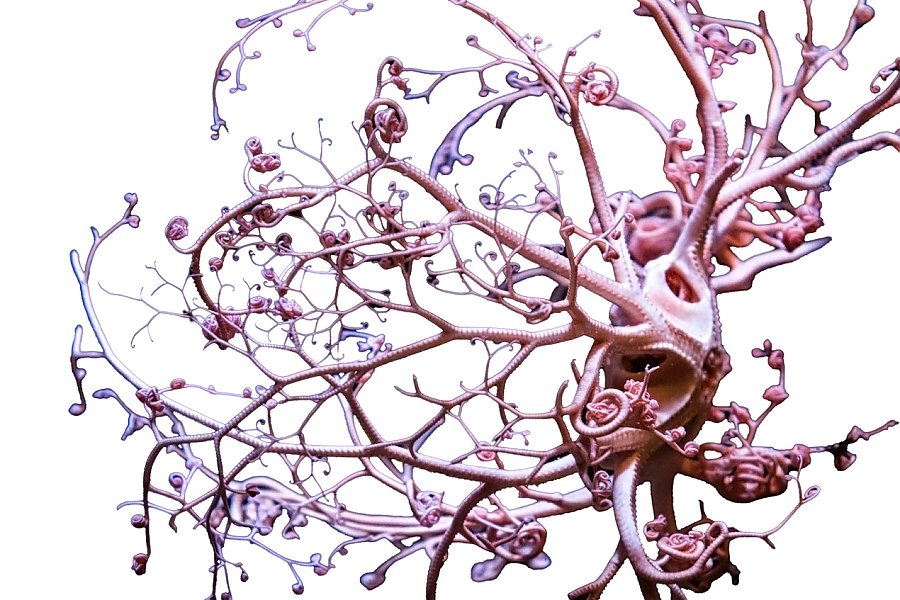
Basket star Credit: Robin Riggs / Aquarium of the Pacific
Basket stars get their name from their branching arms, which are used to catch their food: plankton drifting in the current.
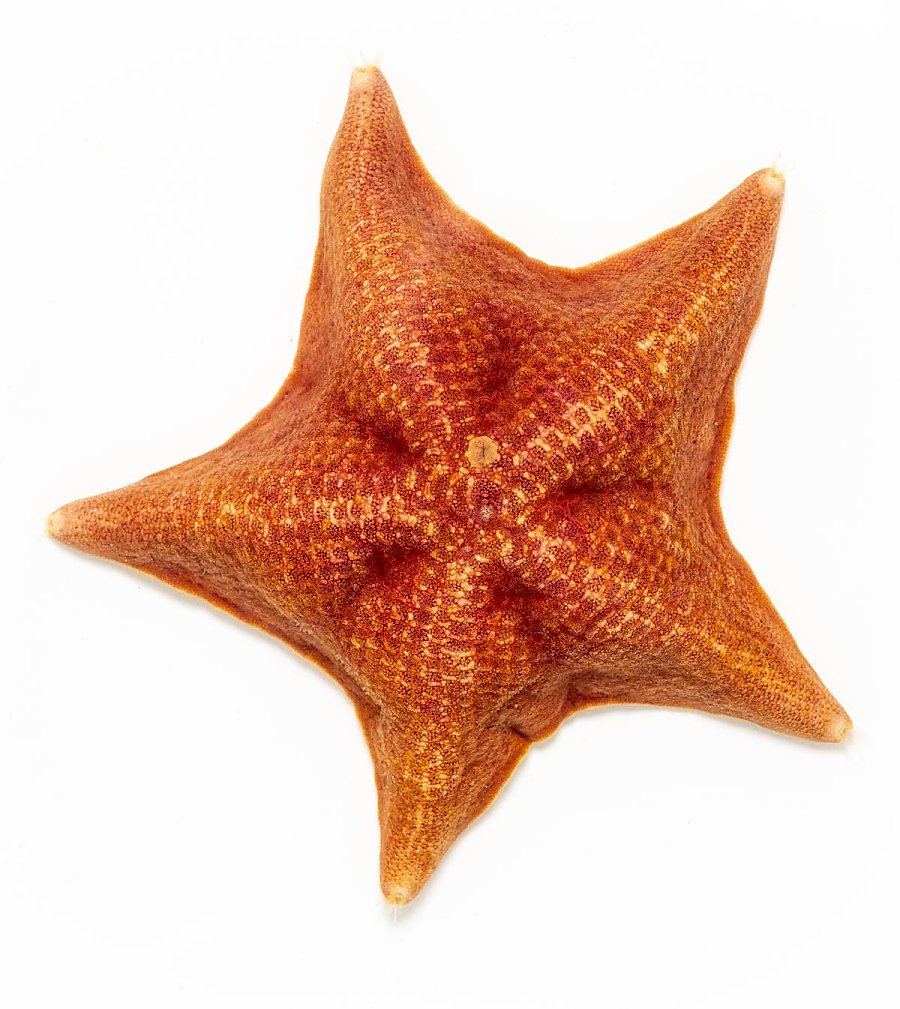
Bat star Credit: Robin Riggs / Aquarium of the Pacific
These sea stars are omnivores, scavenging on leftover food from other animals, as well as algae.
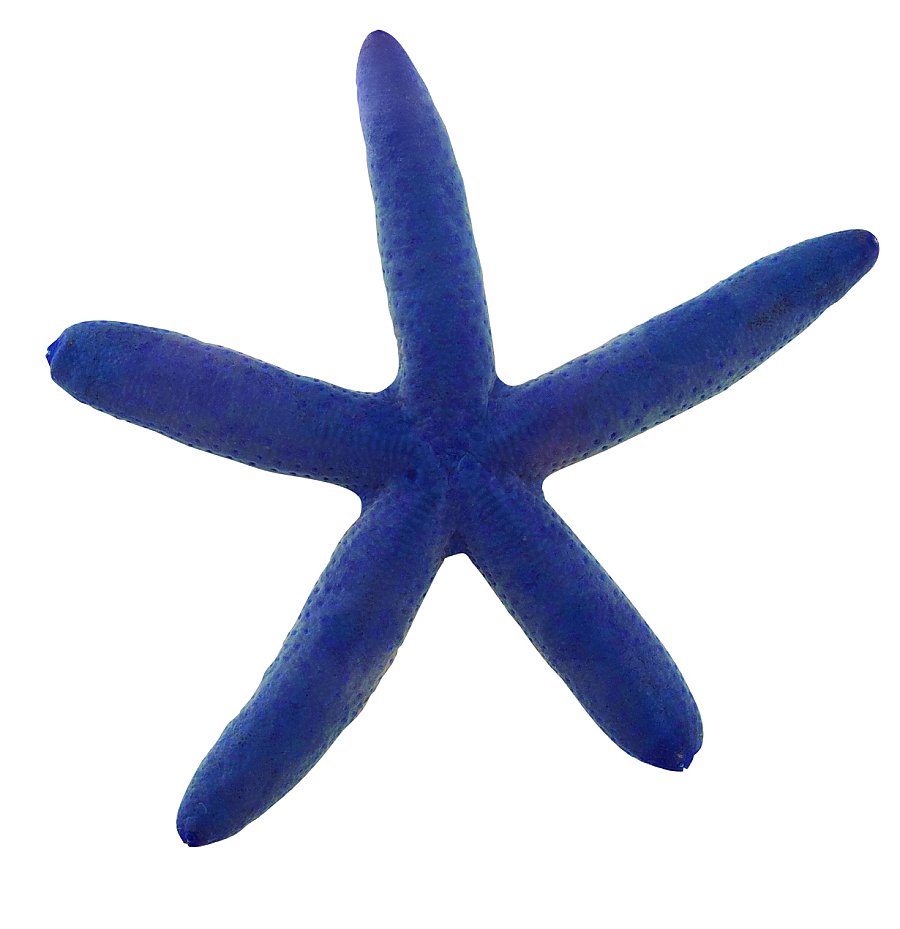
Blue Linckia Credit: Robin Riggs / Aquarium of the Pacific
They feed on the detritus, or debris, in their habitat.
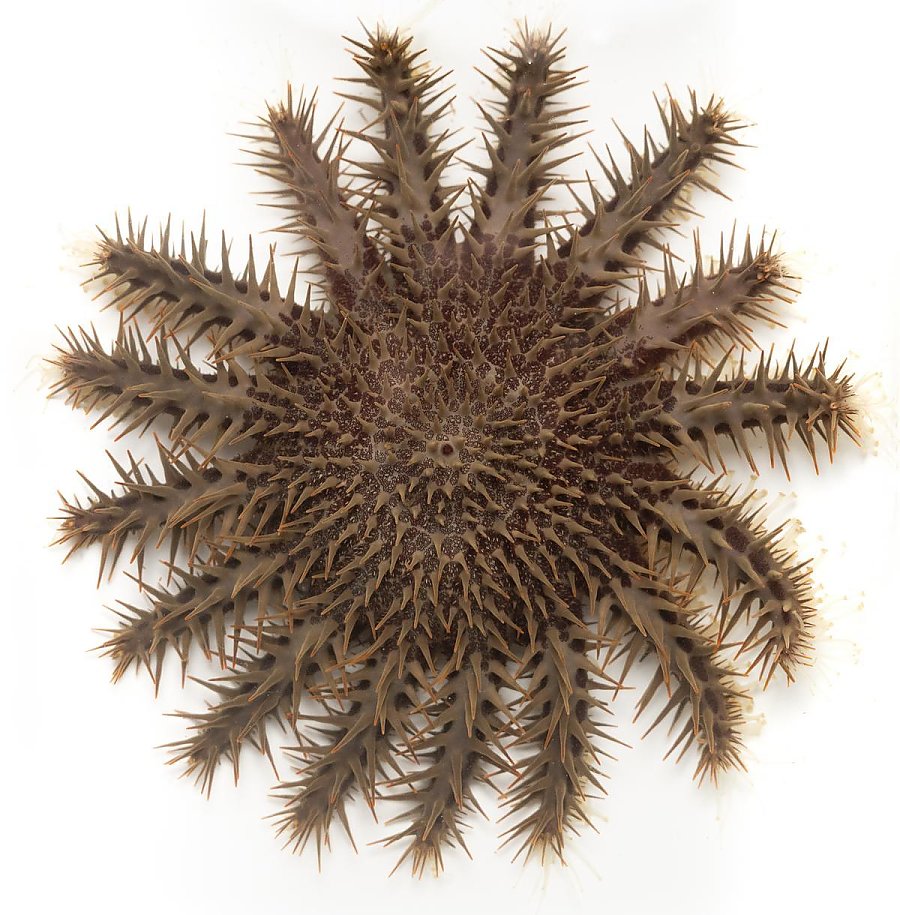
Crown of thorns sea star Credit: Robin Riggs / Aquarium of the Pacific
These sea stars are venomous and a coral-eating species, with few predators.
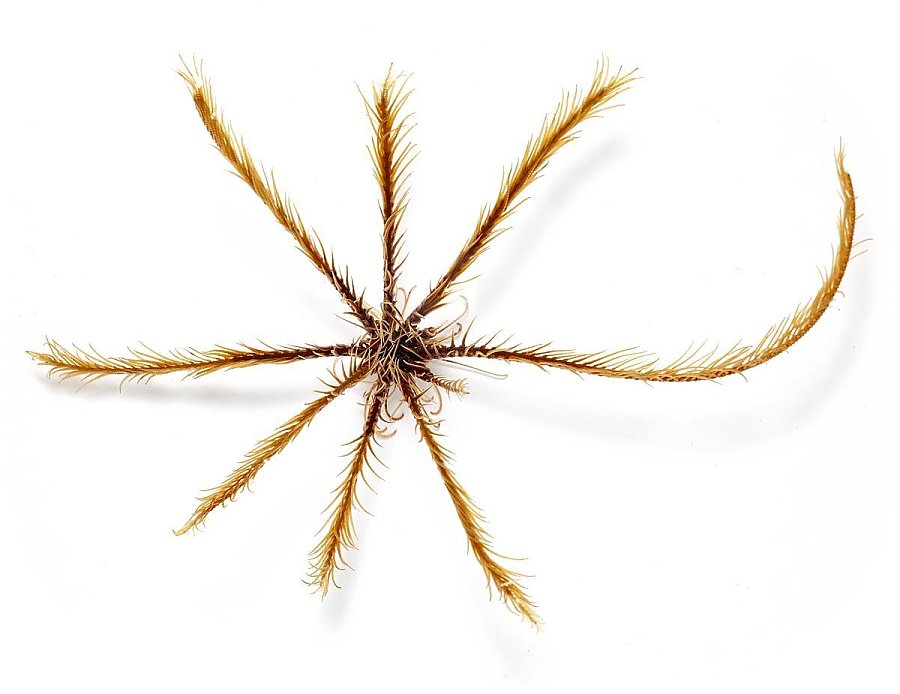
Feather star Credit: Robin Riggs / Aquarium of the Pacific
These sea stars form a part of a group called the crinoids, which are invertebrates that evolved into the sea stars of the present day.
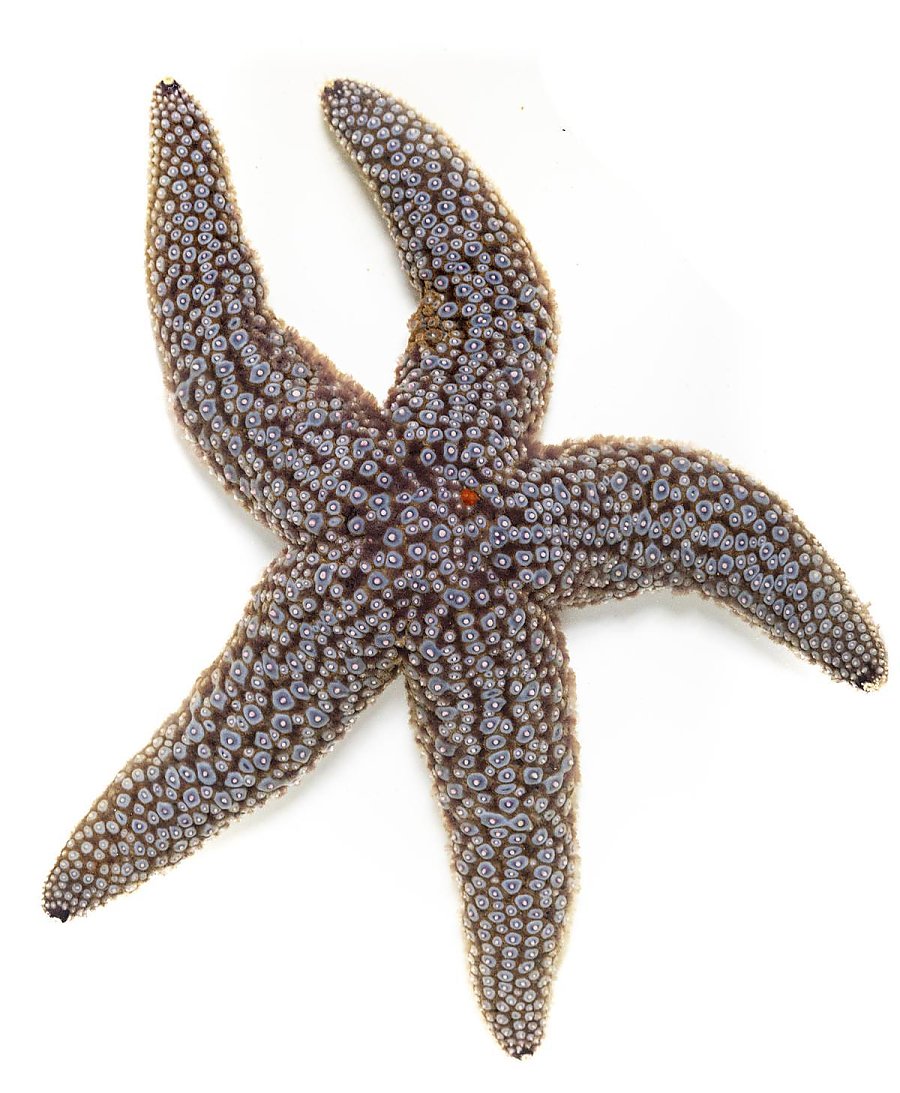
Giant spined star Credit: Robin Riggs / Aquarium of the Pacific
The adult giant-spined sea star is only eaten by a few larger predators like sea birds and sea otters.
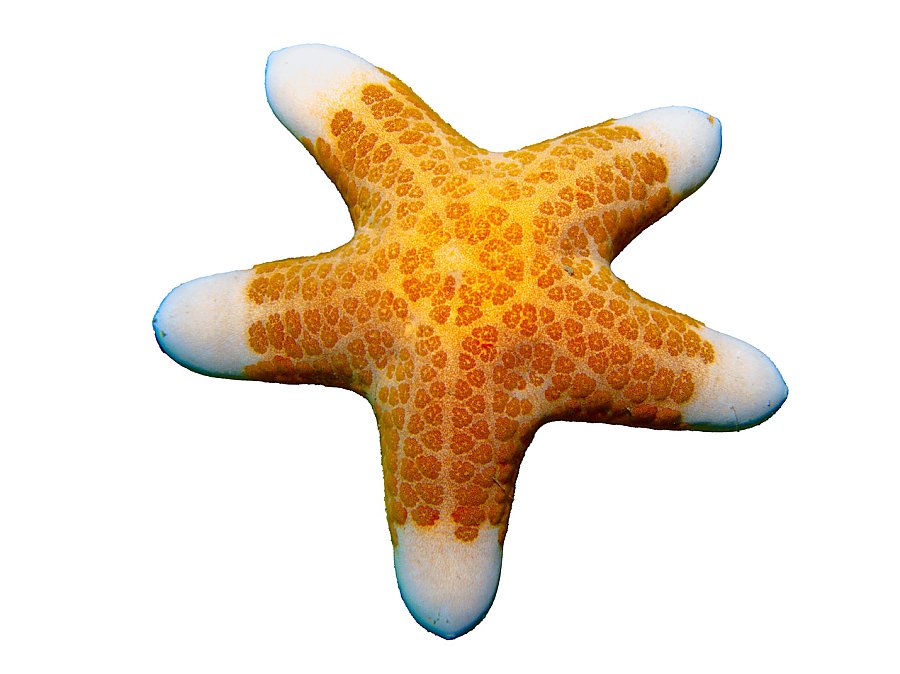
Granulated sea star Credit: istock.com/Cheng Chen
A distinguishing feature is their rows of clustered papillae, or small, rounded bumps.
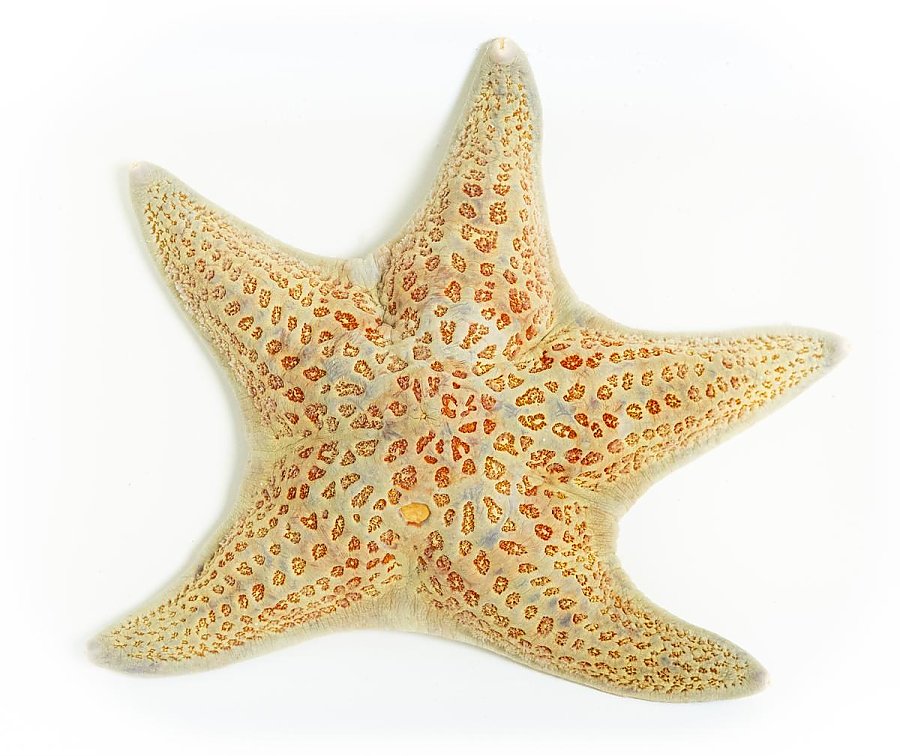
Leather star Credit: Robin Riggs / Aquarium of the Pacific
Leather sea stars have a mucus that covers their body. Between the mucus and the soft, smooth skin, this sea star feels leathery to the touch.
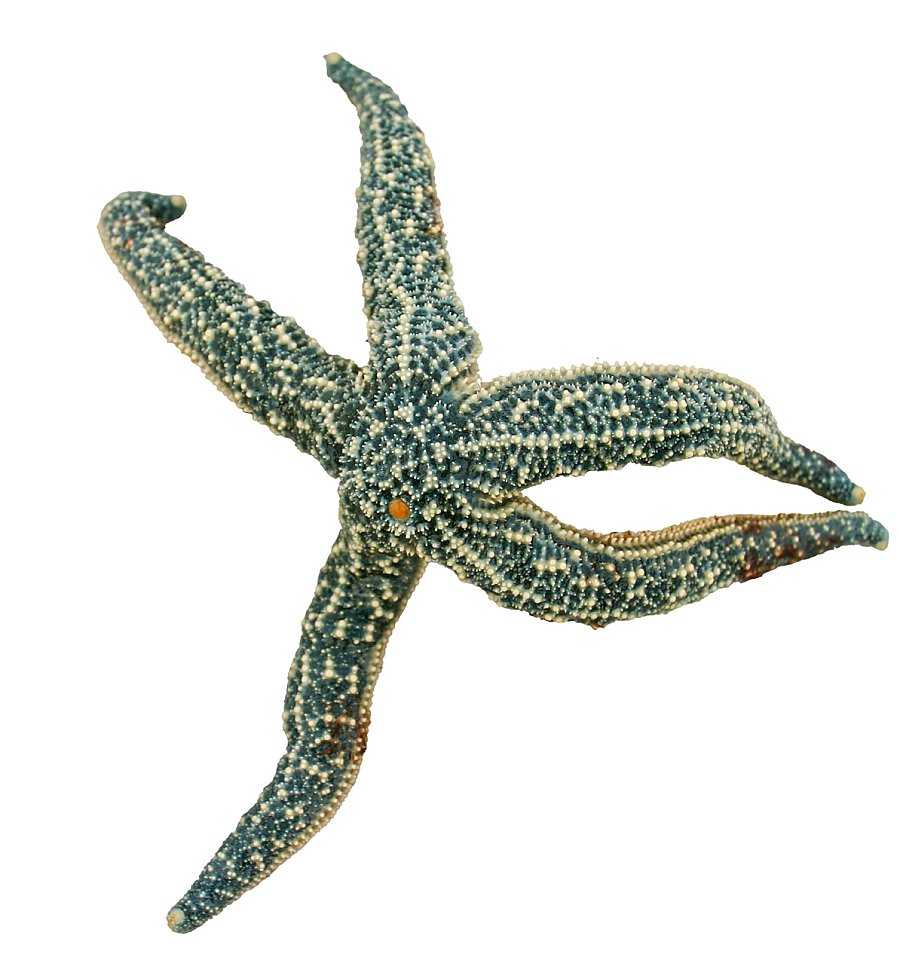
Mottled star Credit: Jordanroderick/wikipedia
The long arms of this sea star are strong enough to pull the shells of a mussel apart.
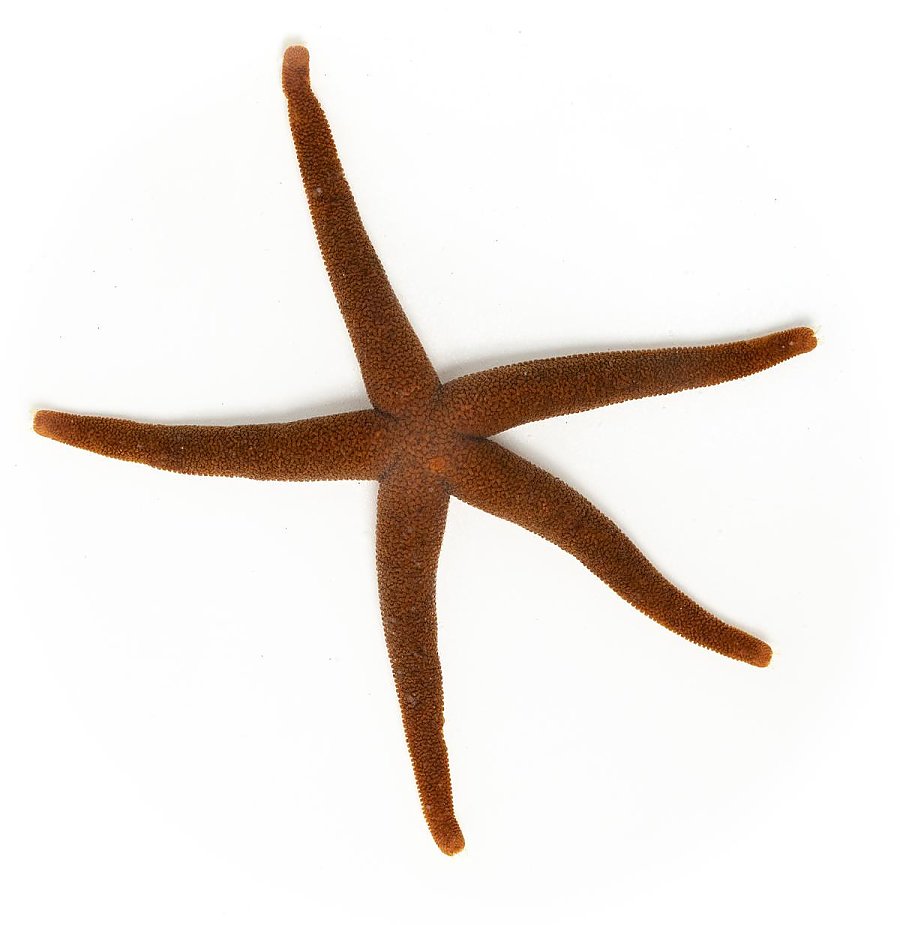
Pacific blood red star Credit: Robin Riggs / Aquarium of the Pacific
Pacific blood stars are omnivores, feeding on sponges, bryozoans, and bacteria.
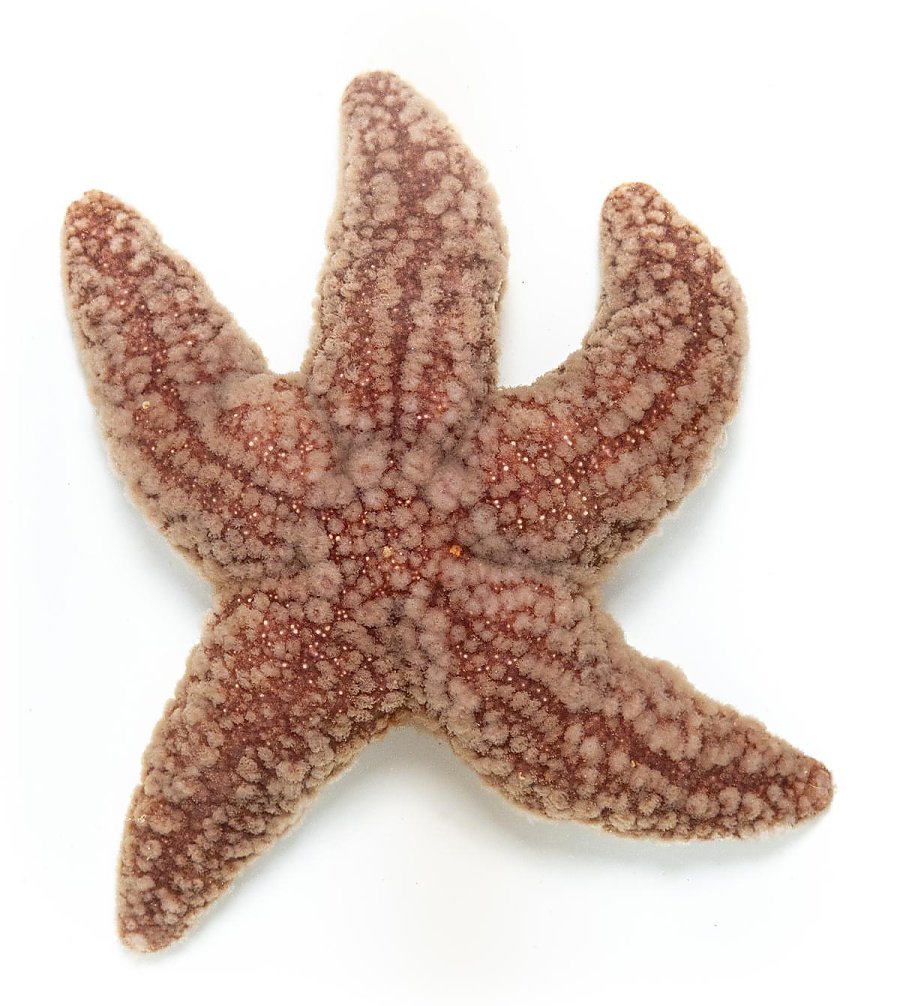
Pink sea star Credit: Robin Riggs / Aquarium of the Pacific
Pink sea stars use their tube feet to dig for food buried under the sand like clams.
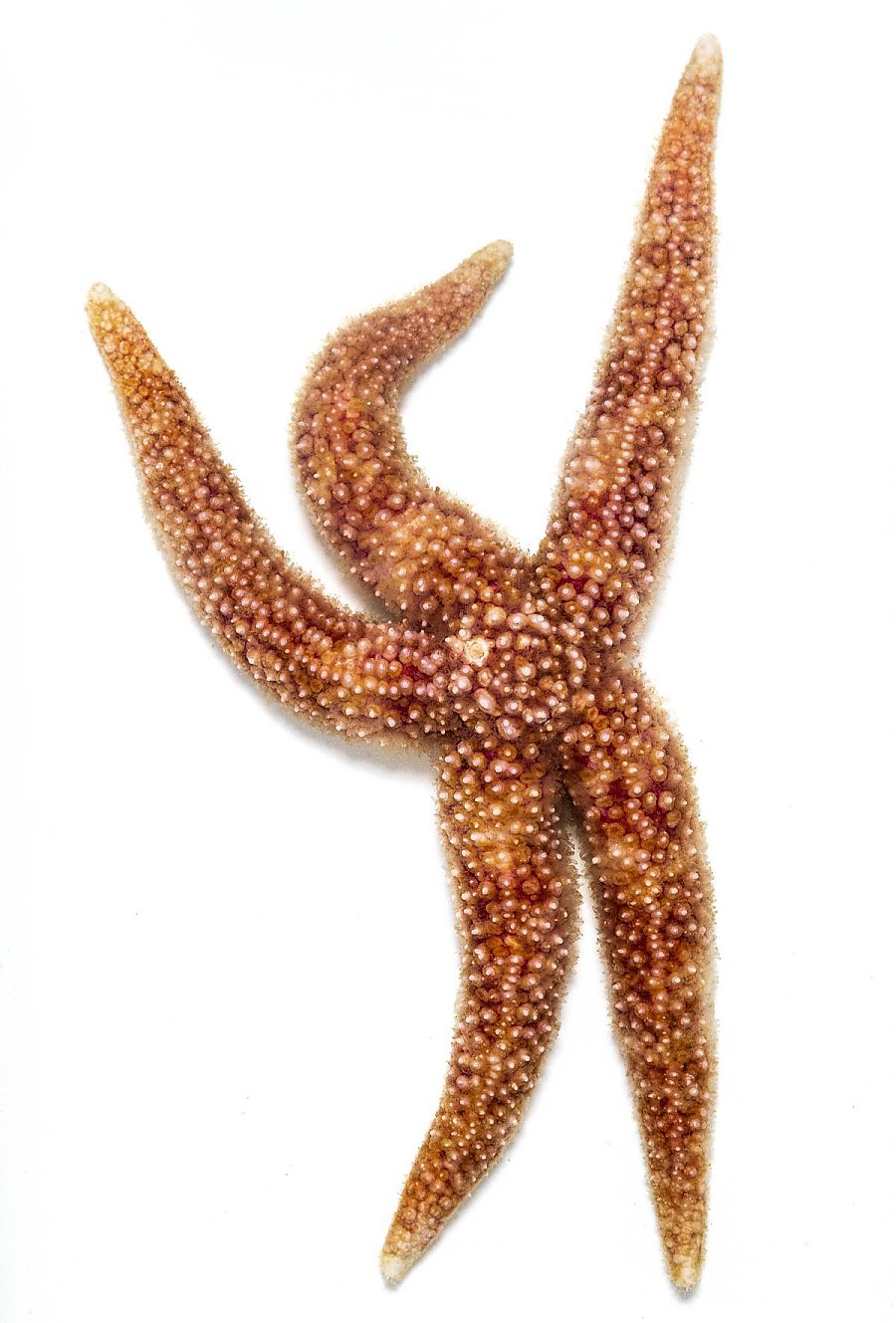
Rainbow sea star Credit: Robin Riggs / Aquarium of the Pacific
These stars stand out with their unique striped pattern.
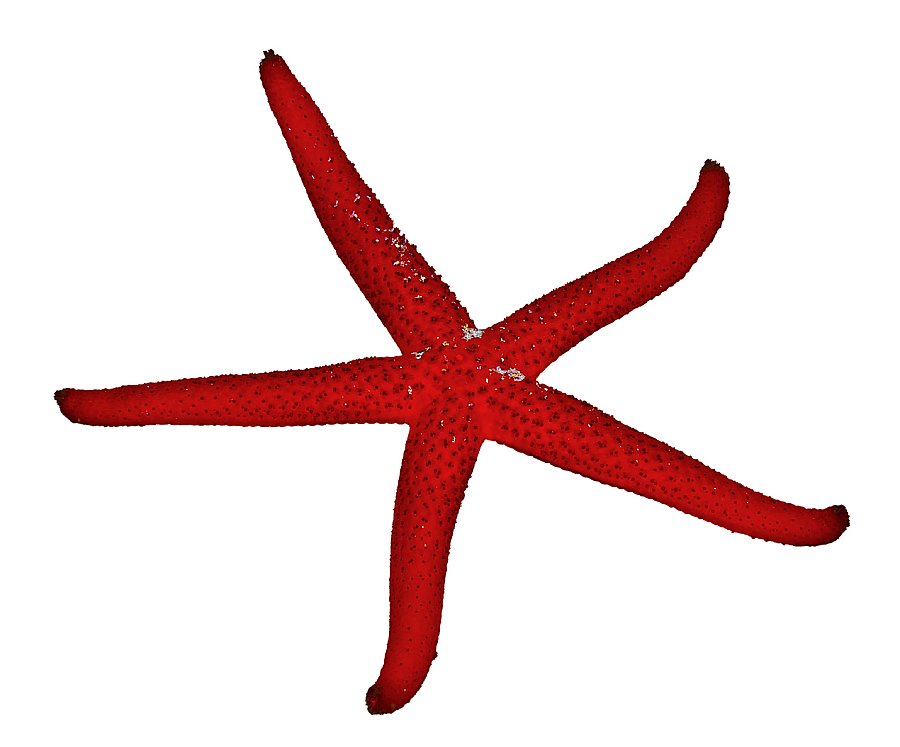
Red Linckia star Credit: istock.com/veliferum
This species exhibits autotomy, which is when a detached arm can move independently and regenerate its own disk, developing into a completely new sea star.
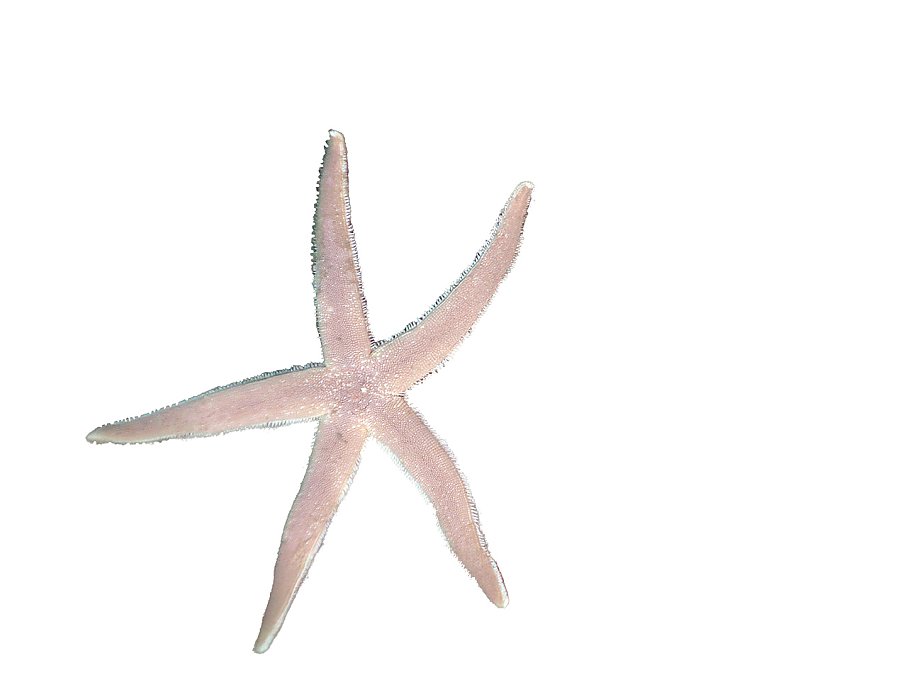
Sand star Credit: NOAA
Adapted tube feet are along the edges of this sea star’s arms. These tube feet allow the sand star to move across sandy and muddy surfaces.
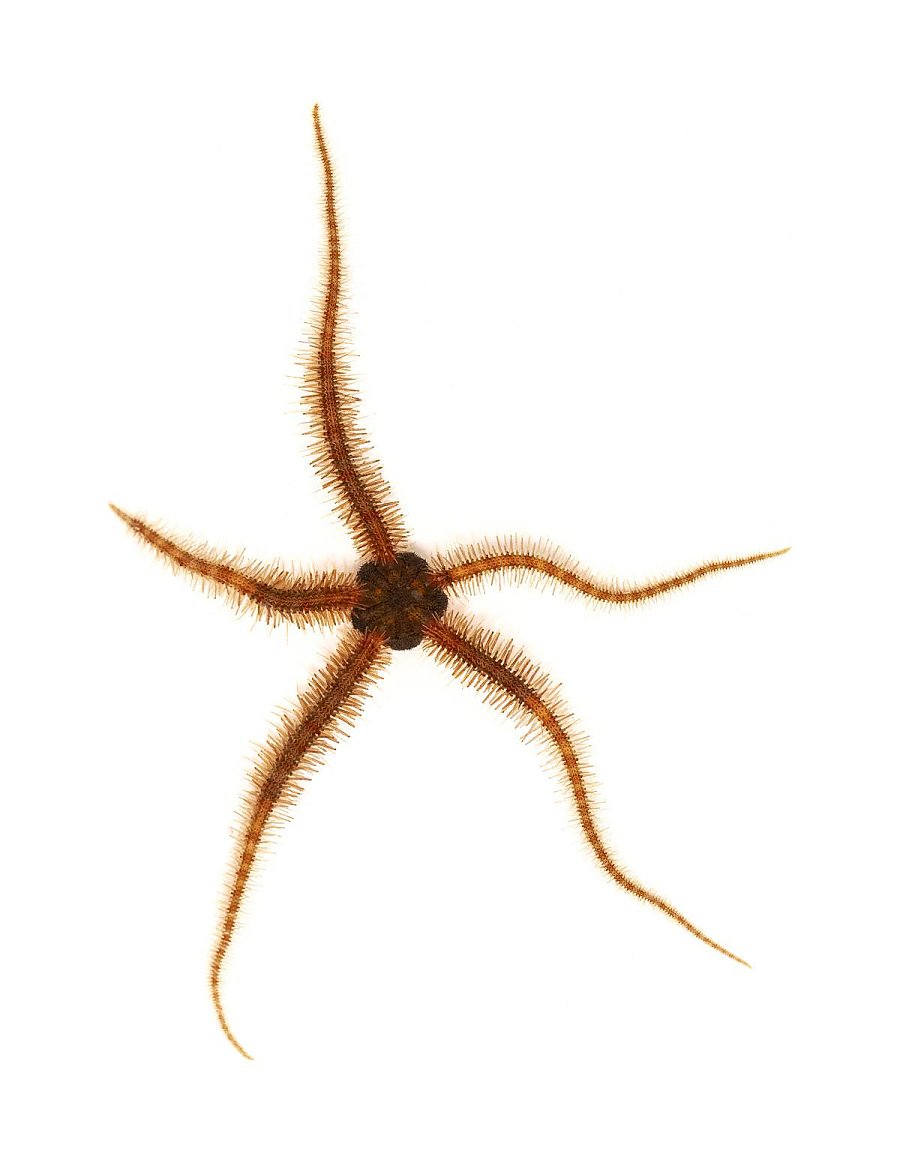
Brittle star Credit: Robin Riggs / Aquarium of the Pacific
These stars hide under rocks or in crevices during the day and emerge at night to feed.
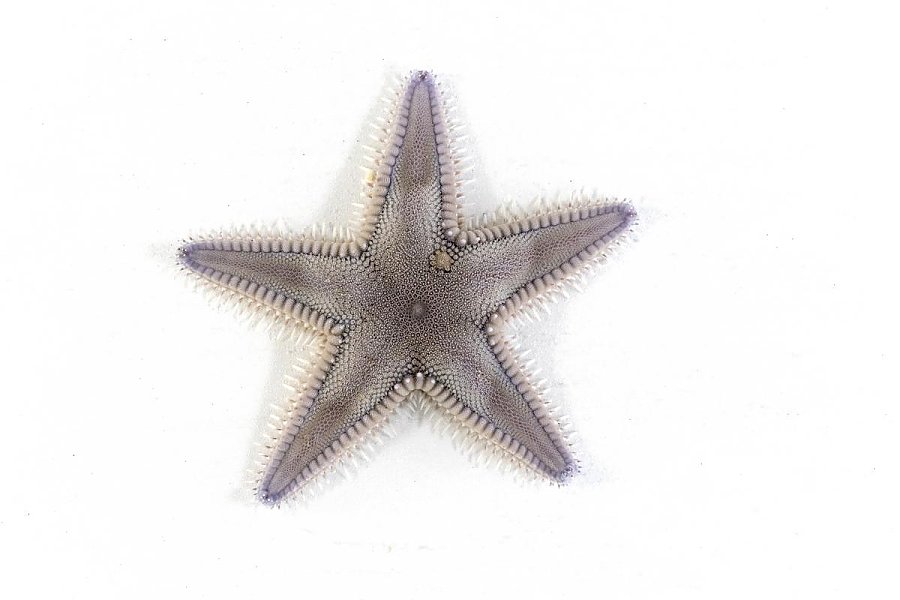
Spiny sand star Credit: Josh Barber / Aquarium of the Pacific
These sea stars like to bury themselves.
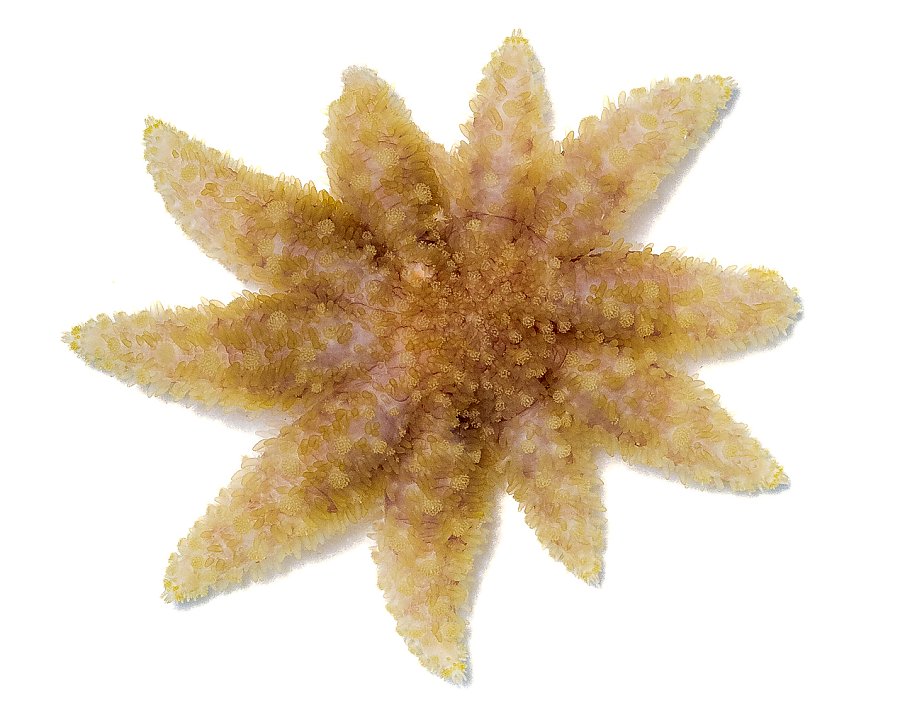
Juvenile sunflower sea star Credit: Robin Riggs / Aquarium of the Pacific
This sea star feeds on sea urchins and other small invertebrates. Their presence regulates the population of sea urchins, who graze on kelp.
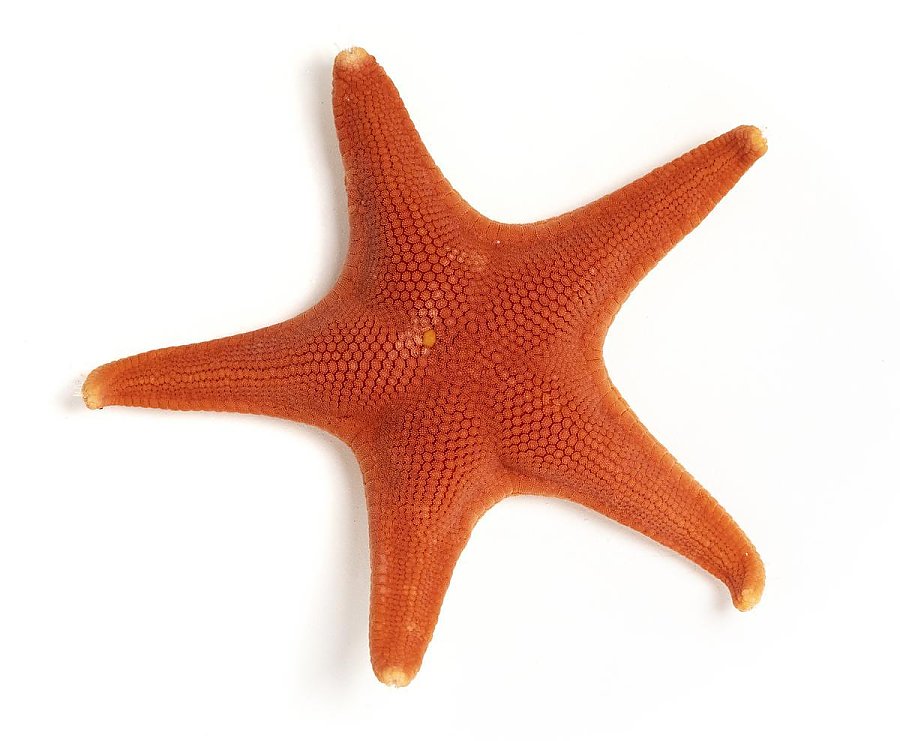
Vermillion star Credit: Robin Riggs / Aquarium of the Pacific
Vermillion stars are named for their vivid red-orange color.
Discount tickets available at Ralphs for a limited time.